Echoes

Alternate History Chronicles

La Revue Européenne

1966, la ligne de fracture: comment la « Communauté des Cinq » et l’Union latine ont façonné l’Europe à deux vitesses

De l’échec de Luxembourg au Traité d’Egmont, du SMEg à l’écu et du tarif vert aux corridors vétérinaires, enquête sur un demi-siècle de gouvernance parallèle

June 30, 2019 · Bruxelles · By Marc Delattre

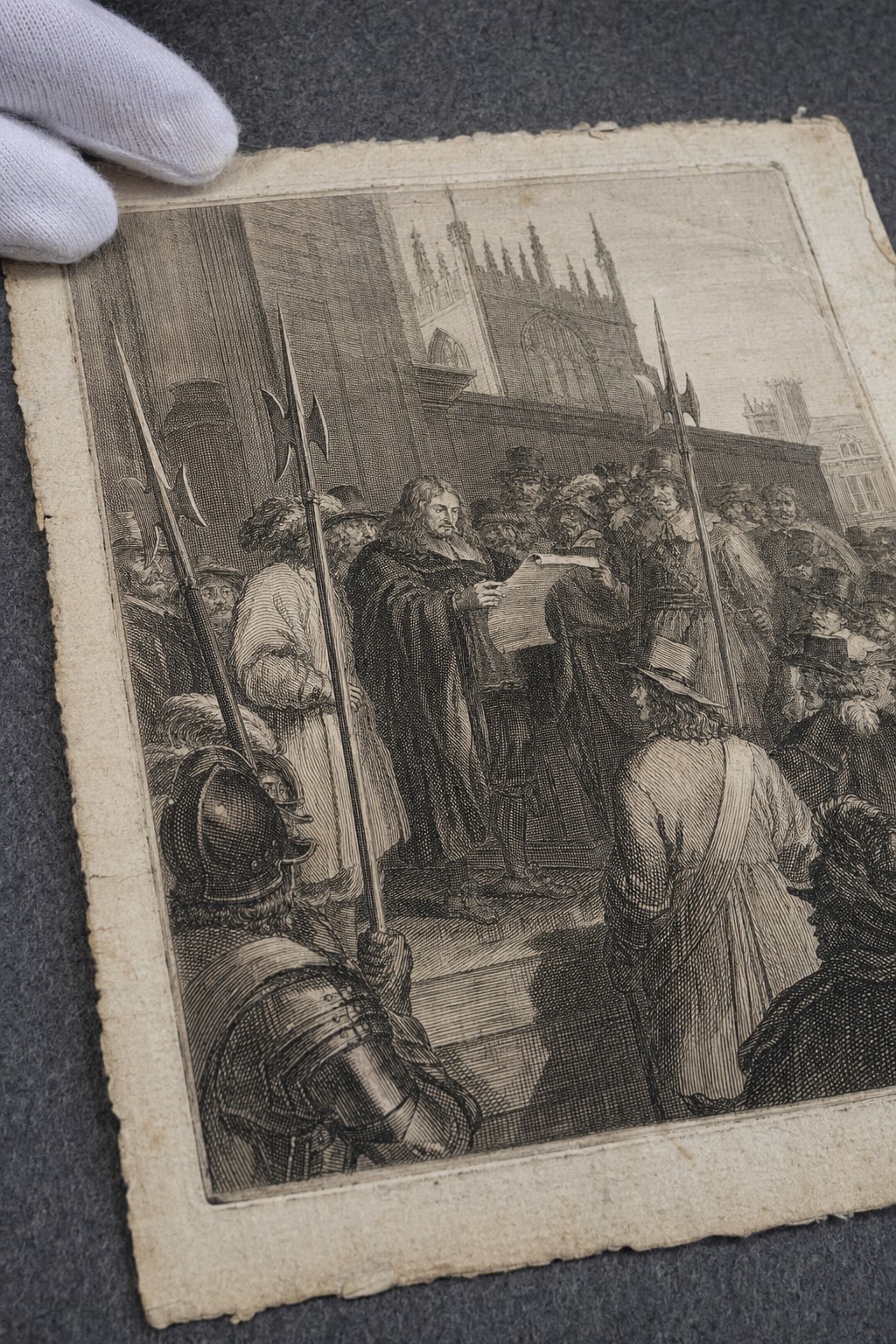
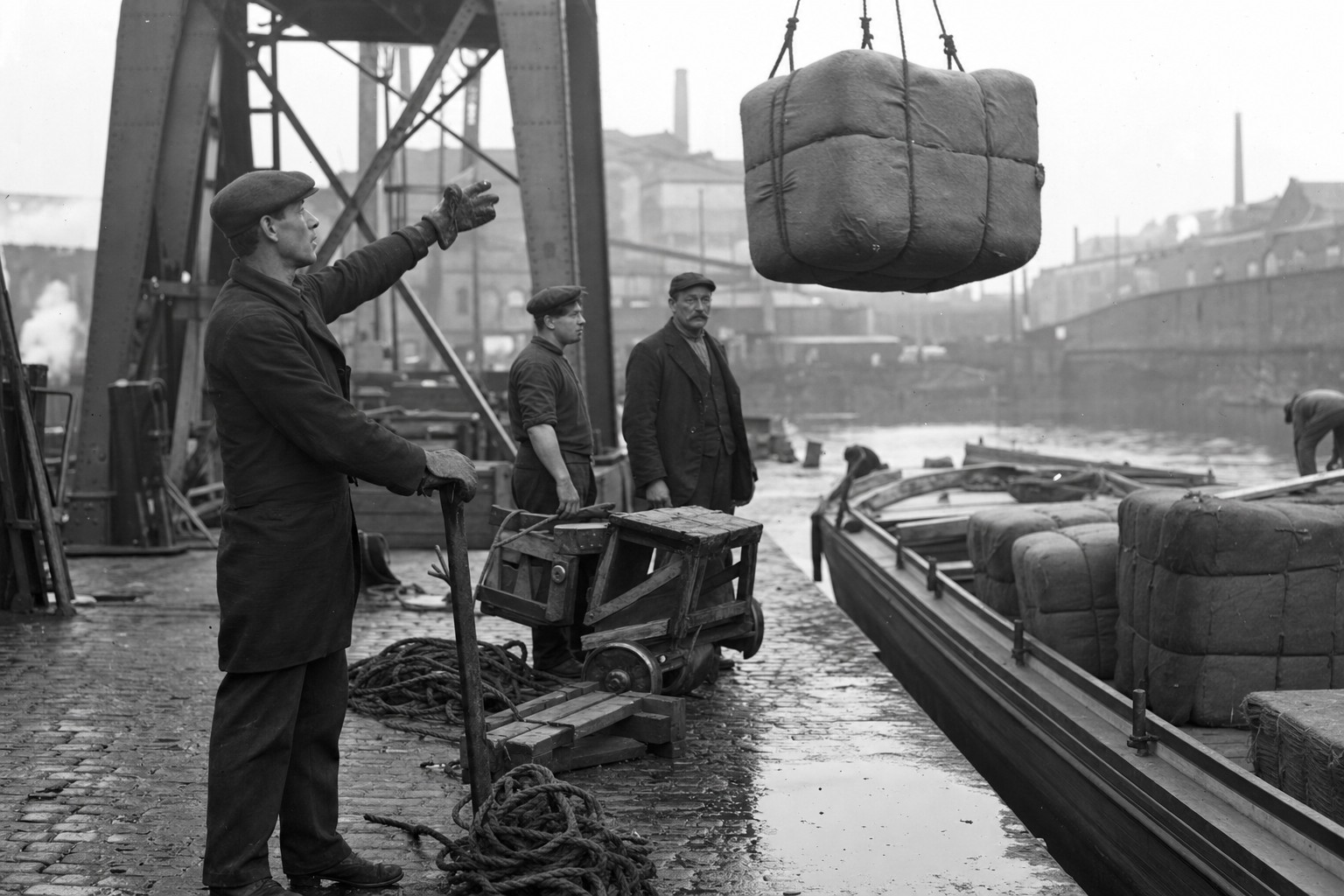
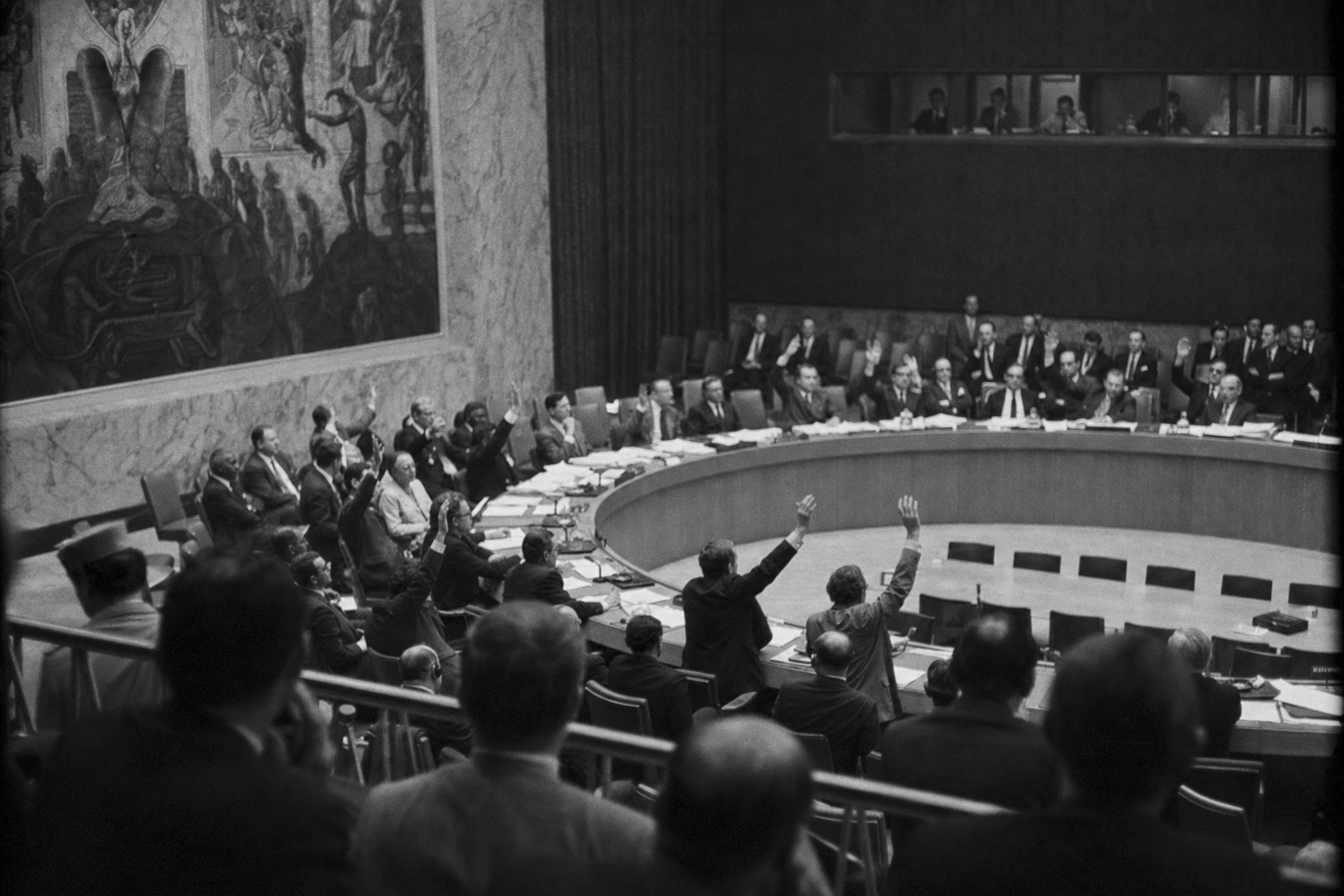
Archival black-and-white press photograph taken in Brussels, 1965, inside the Council meeting room during the Empty Chair period. Oblique viewpoint from behind a pillar onto a long conference table strewn with microphones, ashtrays, water carafes, and folders; one prominently empty chair at a place of honor while delegates from West Germany, Italy, Belgium, the Netherlands, and Luxembourg confer in low voices. Mid-century chandeliers and heavy curtains in background; a coat draped over a chair back; a messenger hurrying past in the corridor beyond a half-open door. Shot on Kodak Tri-X 400 pushed to 800 with a Leica M3 and 35mm lens at f/2.8; pronounced film grain, slight motion blur on a gesturing hand, mild vignetting, uneven exposure near ceiling lights. Asymmetric, candid composition. No visible text, signage, nameplates, or lettering anywhere in frame.
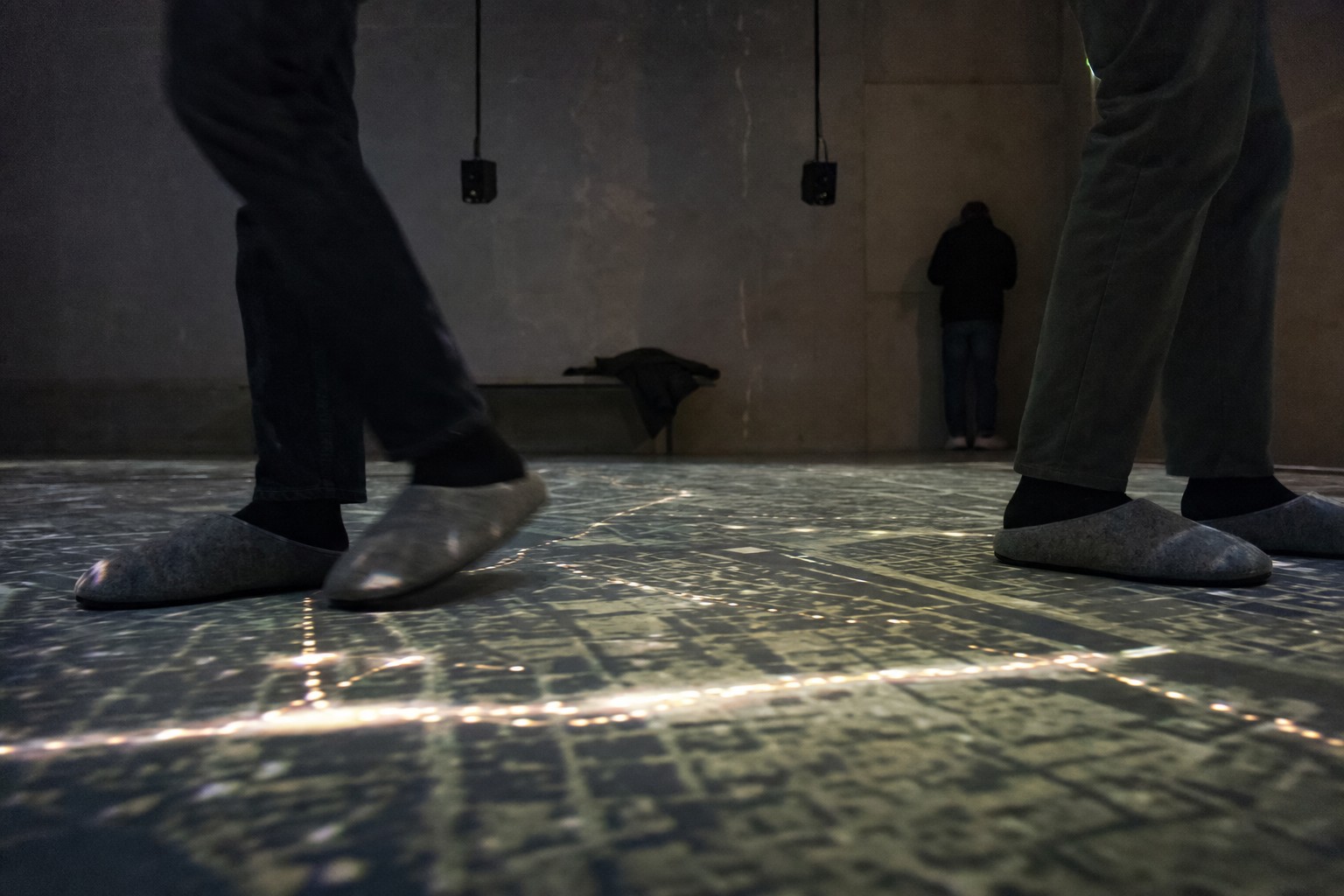
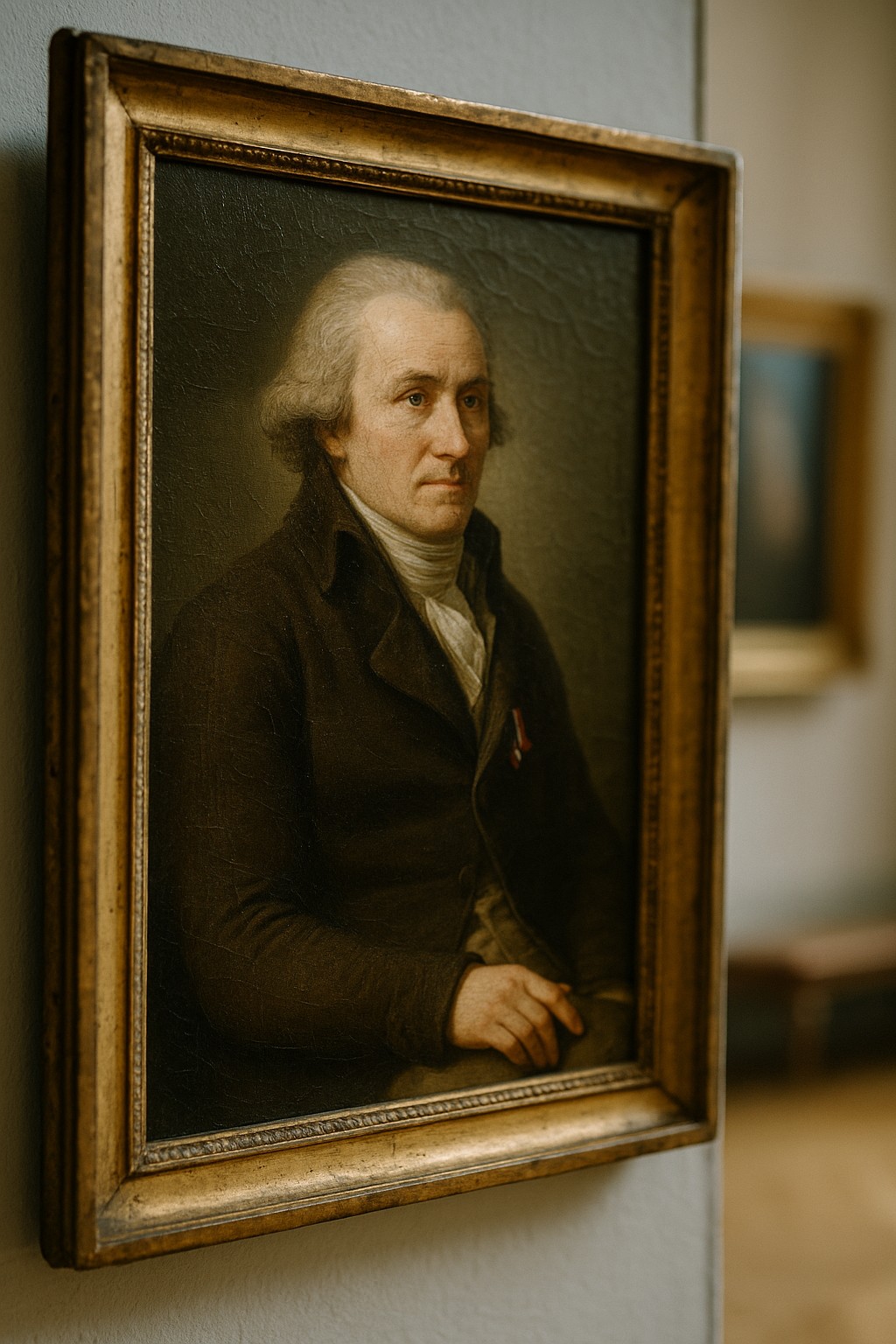
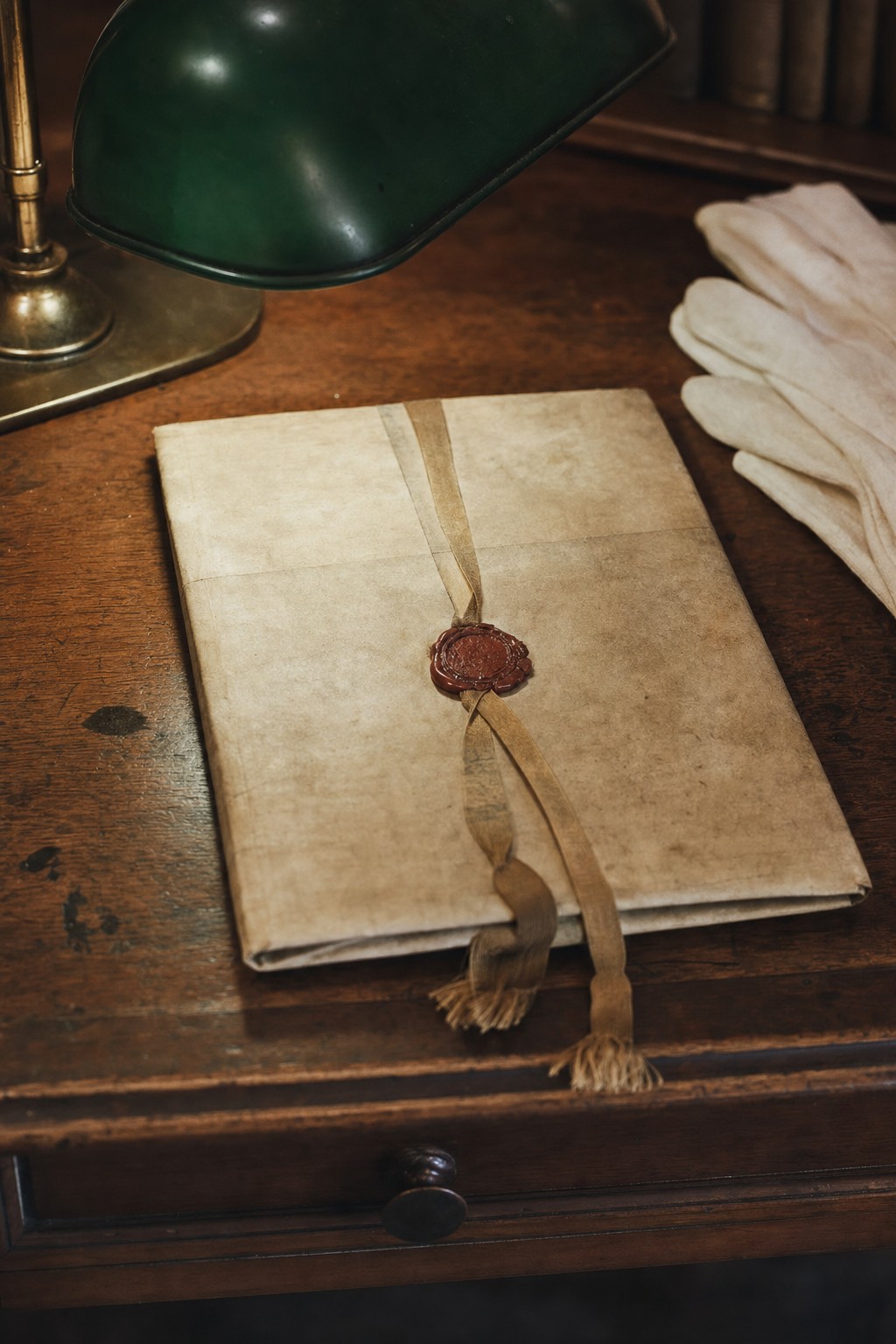
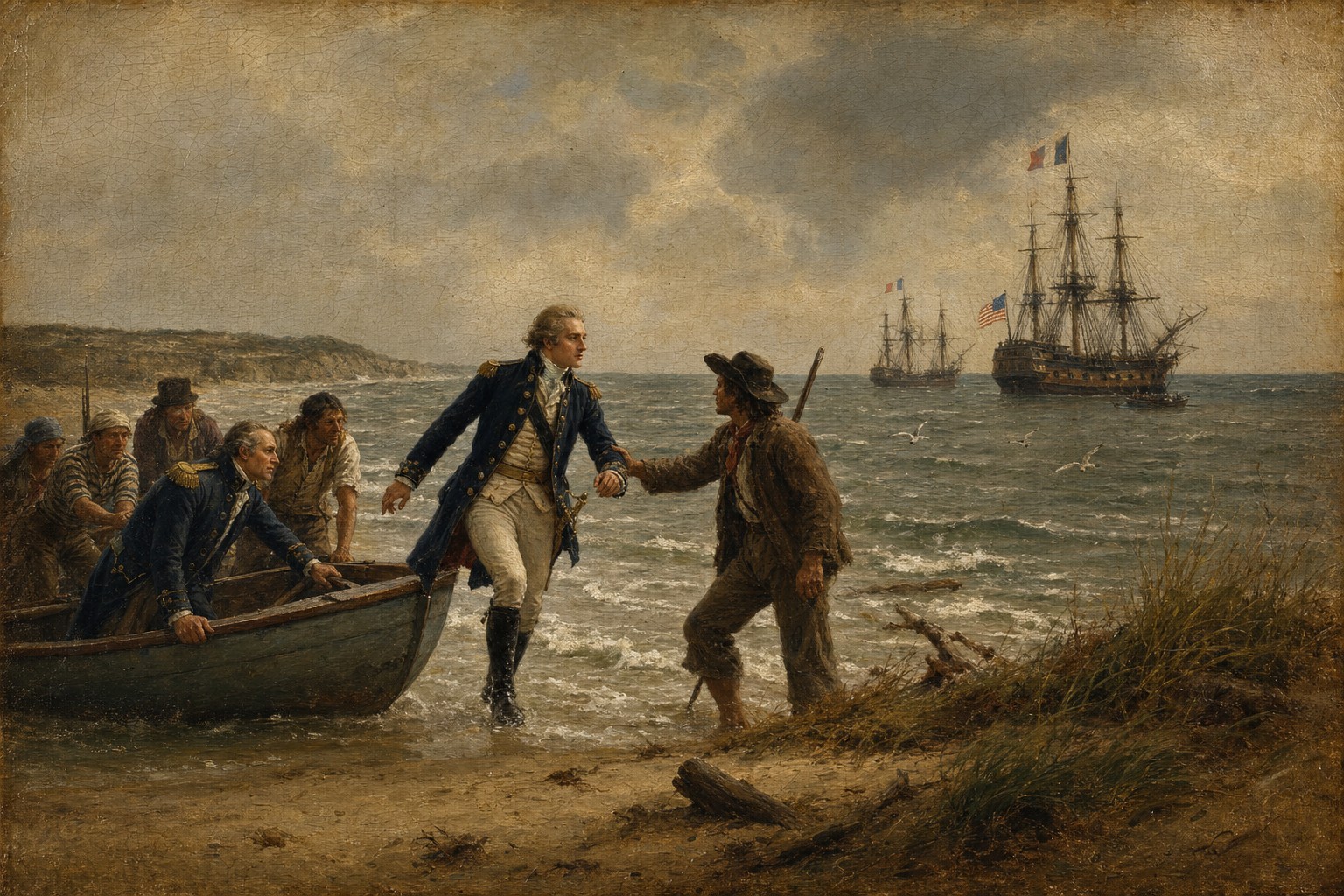
1971 color photograph inside a European museum gallery showing a large 19th-century academic oil painting of Jacques Cathelineau’s entry into Nantes: smoke over the Loire, militias along the quays, boats clustered by timber pilings. The canvas hangs slightly off-center on a neutral wall in a gilded wood frame; parquet floor with scuffs, a bench at an angle, and a single middle-aged visitor partially cropped at the edge. Shot on 35mm Ektachrome with a 50mm lens; natural film grain, slight cyan cast in shadows, gentle vignetting at corners, faint reflection on varnish, no labels or wall text visible.

La Revue Atlantique · Jun 29, 1973

1793–1973: Nantes, le jour où la Loire devint Charte

Du fracas des quais à la Charte de 1794, du Concordat d’Angers à l’axe maritime franco‑britannique, un siècle et demi d’un compromis atlantique qui a structuré l’Ouest et l’État

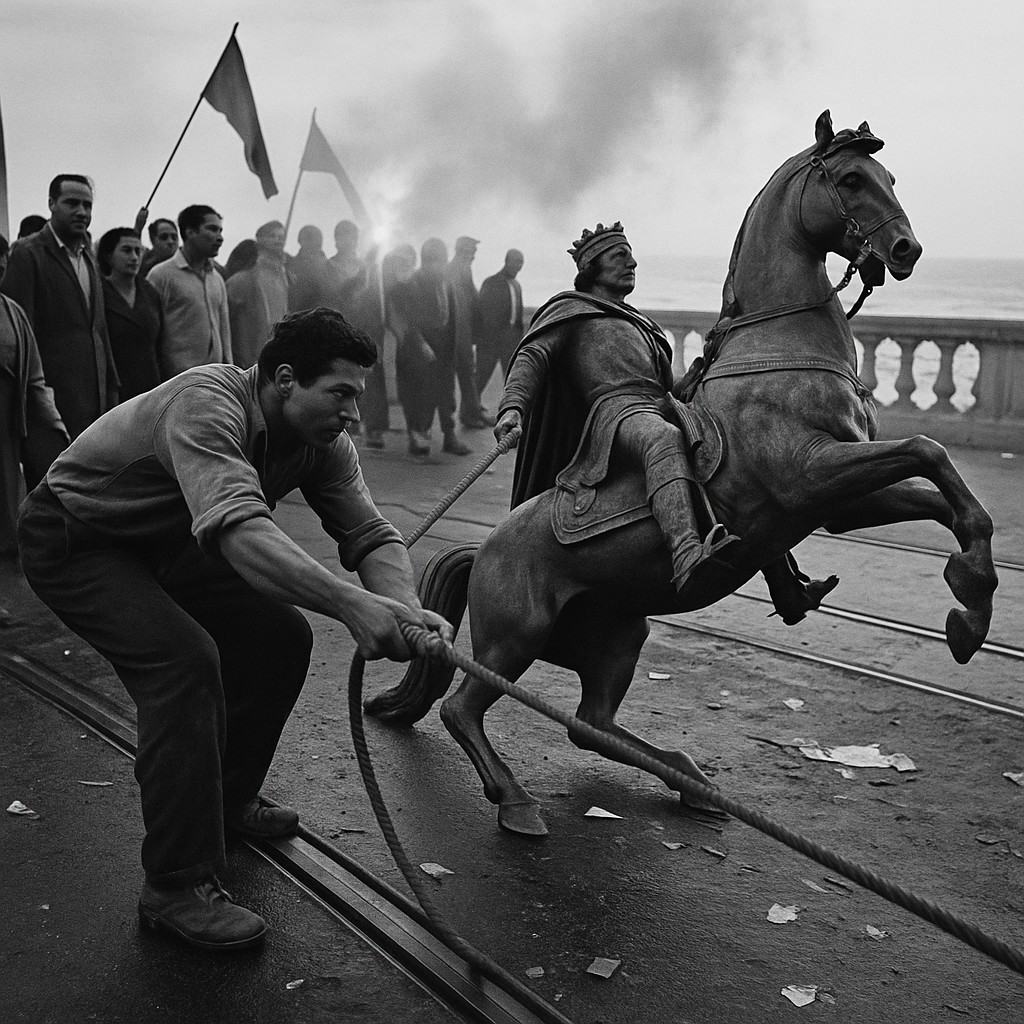
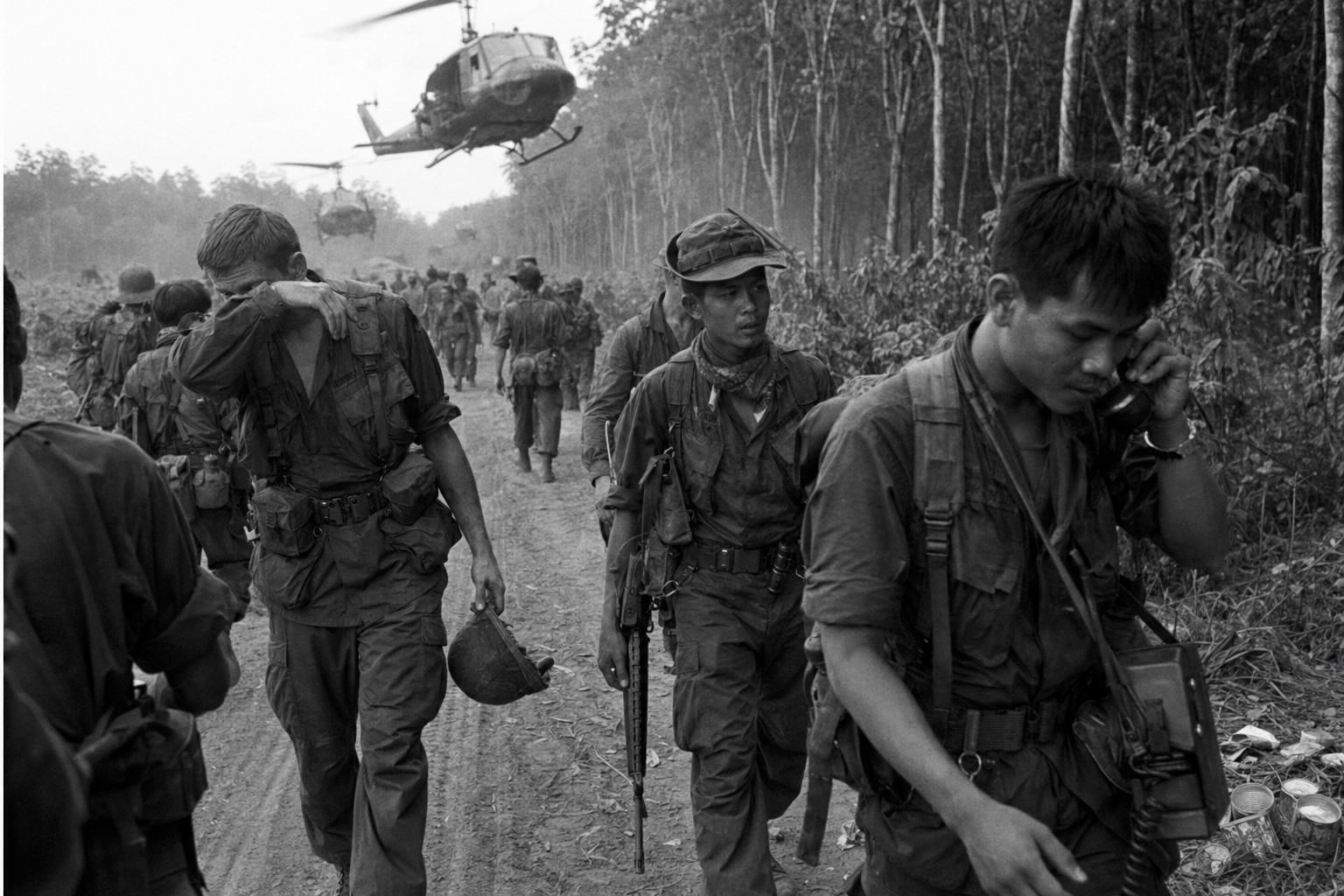
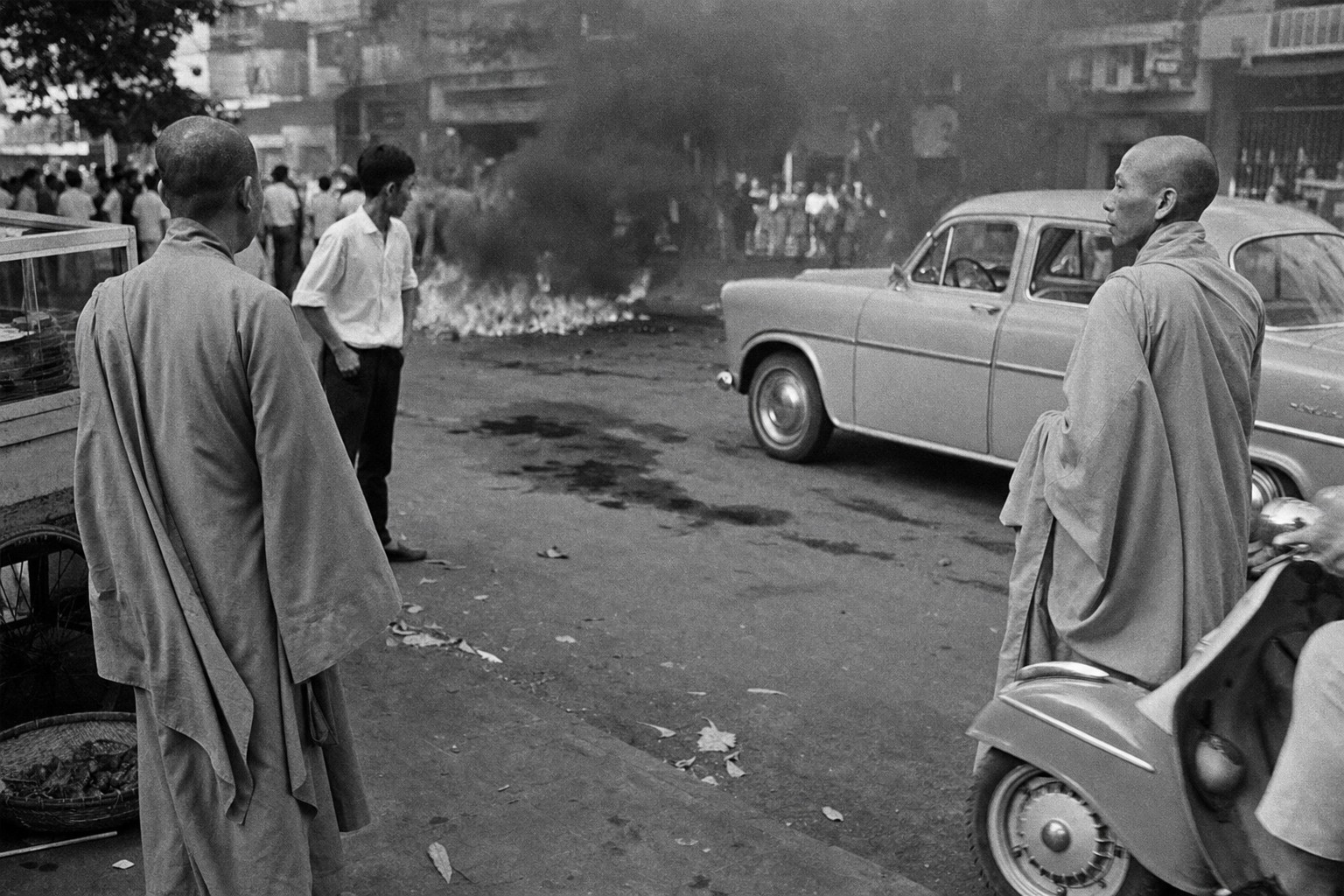
Archival silver-gelatin press photograph taken on the morning of June 28, 1950 on the Hangang Bridge in Seoul; captured with a Graflex Speed Graphic using a 127mm lens on Kodak Super-XX sheet film, processed in D-76. Grain is pronounced with high contrast and slight halation around bright highlights; faint motion blur in marching figures; uneven edge exposure typical of press negatives. Asymmetric, low-angle composition from the south abutment catwalk. Dominant subject: a ROK Army engineer in a steel helmet crouches to tie detonation cord to a riveted girder, gloved hands taut. Behind him, distinct faces of civilians and 5th Division troops stream past: a schoolgirl clutching a satchel, an older man pushing a handcart piled with bedding, a soldier with a bandaged cheek gripping his rifle. Smoke haze softens the far-bank railyard; two river barges drift beneath the truss. Sandbags, coiled wire, scattered ration tins on the deck; torn posters on a pillar with no readable text. No modern vehicles or signage; period uniforms and equipment authentic.

Peninsula Quarterly · Jun 28, 2015

The Minutes That Made a Country: Hangang Bridge, 65 Years On

How a held charge preserved the 5th Division, fixed limited-war aims, and set Korea on the long road from armistice to unification

Where & When

Trace the fault lines

Open the full map & timeline